
Lugano
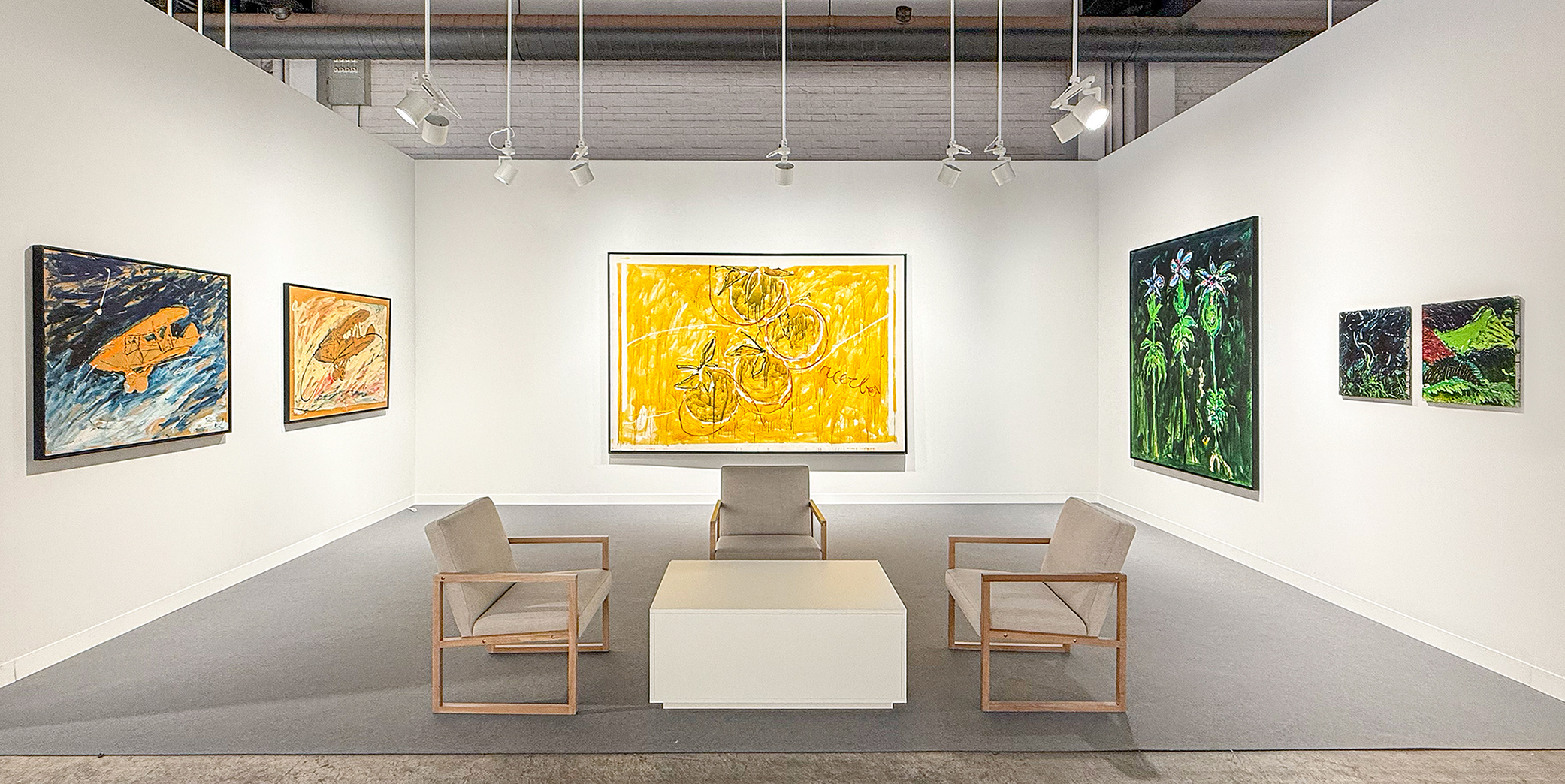
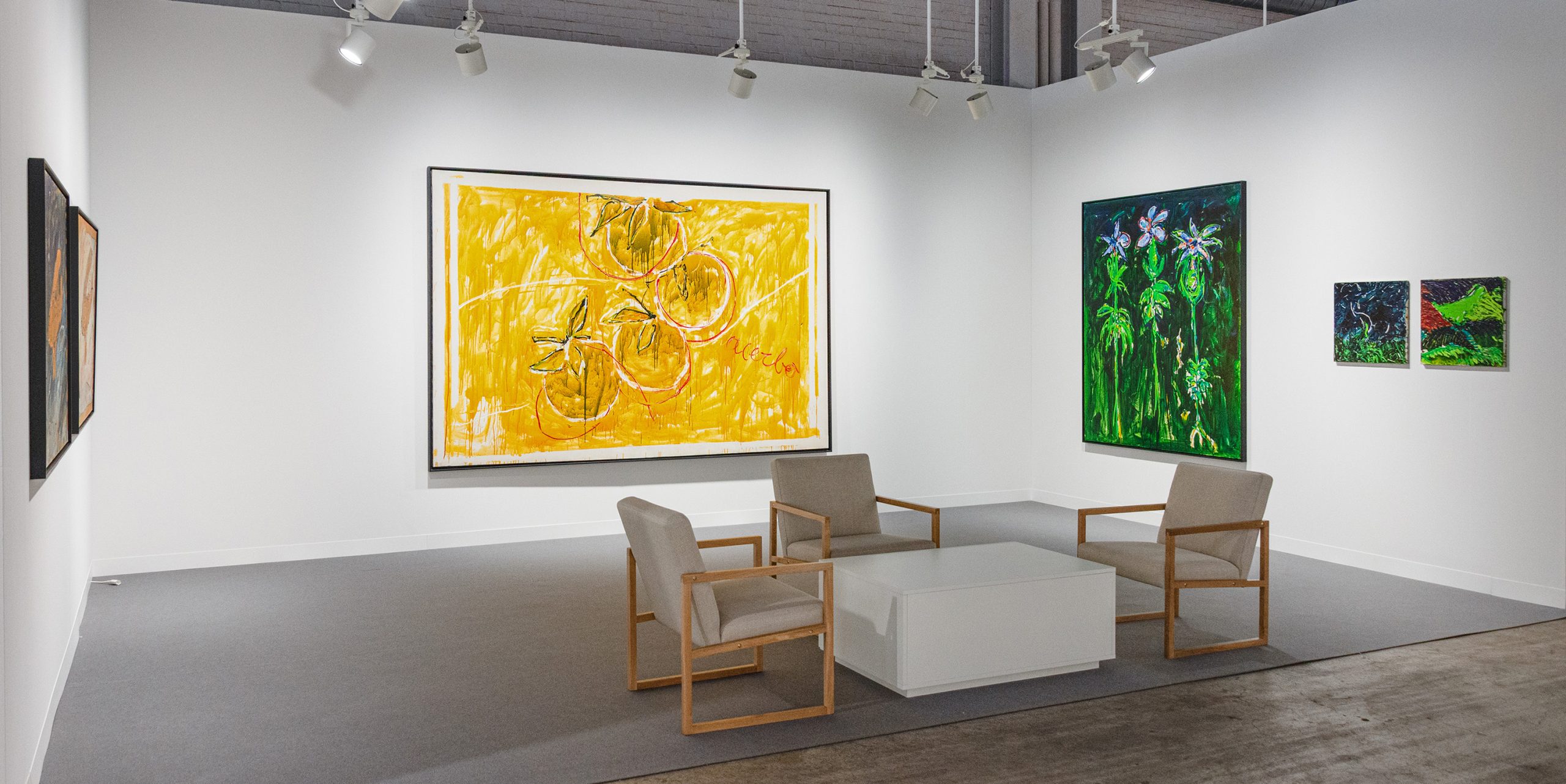
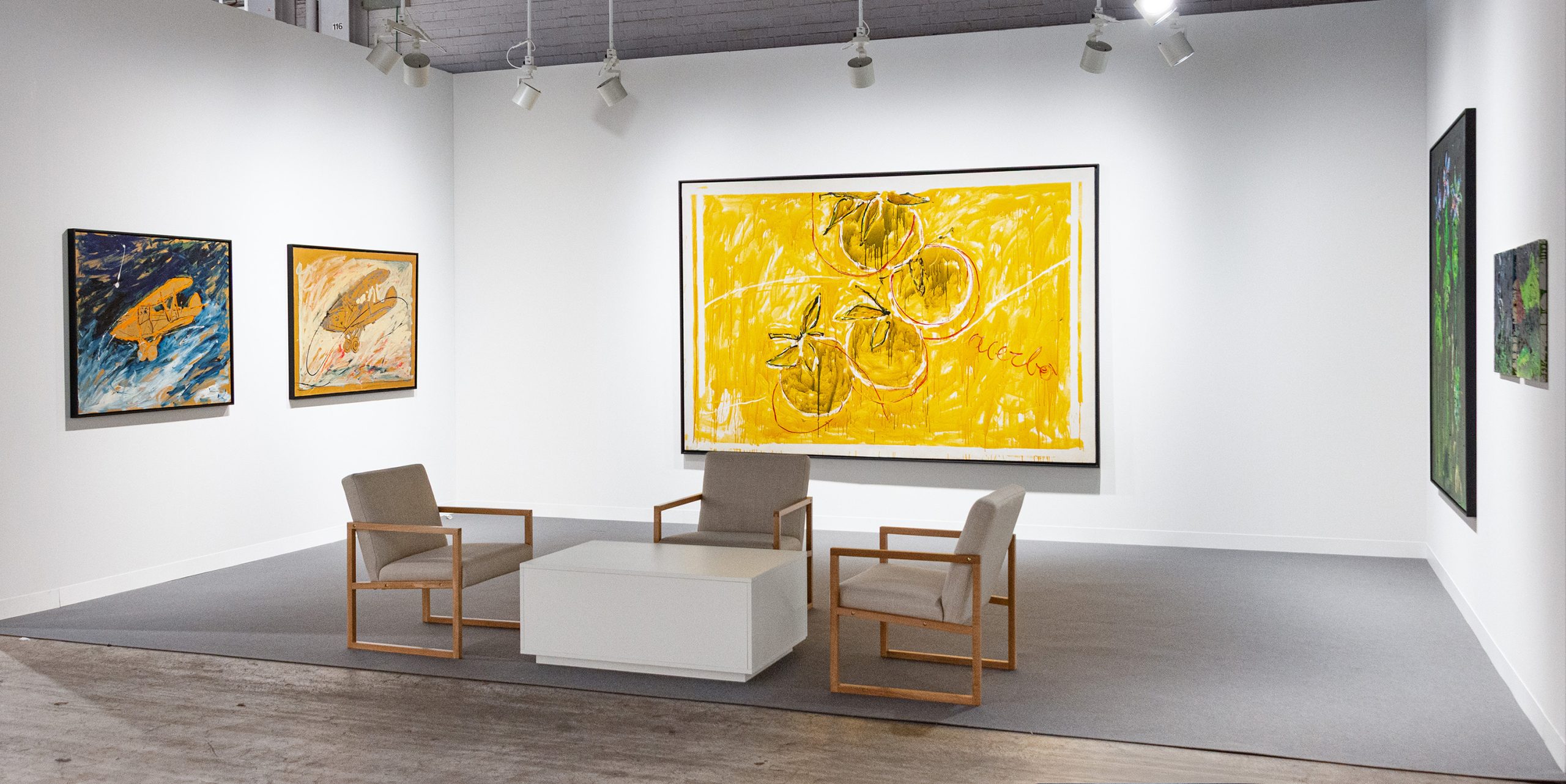
Recognized as one of the most vital and experimental figures of Italian postwar art, Schifano continuously redefined the role of painting within a rapidly changing visual landscape. In the post-Pop experimentation of the 1960s and 70s, Schifano had gravitated toward medium-bending techniques —moving fluidly between different artistic styles and media: a figure that defied any categorisation, an approach that characterized his whole career. It was in the early 1980s, however, that Schifano’s paintings underwent a remarkable evolution, consolidating painting as a realm where signs from mass culture and memory intertwined. This focused presentation offers a view into Schifano’s artistic transition, bringing together a curated selection of emblematic works, that exemplify his innovative approach to art, including a large Acerbo (1982), two Biplano (1982), a work from the Ortaggi series (1985) and two 1×100 informazione (1985 – 1986). As Achille Bonito Oliva noted, this specific decade, marked by social upheaval and artistic renaissance, manifests “una deriva creativa, un edonismo per il colore, una pittura sempre di superficie realizzata spesso all’aperto, a volte davanti al pubblico” (“a creative drift, an hedonism of colour, a painting always on the surface, often executed outdoors, sometimes in front of the public”)[1].
Mario Schifano emerged relatively unscathed from Conceptualism and Process Art that prevailed during the 1970s. His personality, too rebellious to submit to any dictat, had been creating art since 1960 and, during the 1980s, his unwavering dedication to painting, in contrast to the broader artistic trends of his contemporaries, elevated him to the status of an icon. This status was not merely a reflection of his own creative output, but also of his capacity to shape and influence the broader context of his artistic environment. In contrast to the simplistic return to figuration, Schifano turned to introspection, embracing a new freedom of sign and colour: his work in this period exemplifies “un punto di vista iper-moderno,”, as described by Luca Beatrice, a hyper-modern sensibility in which painterly energy intersects with the chaotic logic of media circulation. Closer inspection reveals various stylistic changes and different uses of pictorial material. At times, the work is more fluid; at others, it is rawer, with enamel juxtaposed with sand and earth. However, all the pieces are united by the freedom with which the artist approaches his canvases in terms of line and colour. The works on display in the exhibition illustrate Schifano’s stylistic shift which, through bold brushstrokes, layered imagery and a rich palette, capture the essence of his time and invite viewers to unravel the complexities of his visual language.
[1] Achille Bonito Oliva, quoted in Doppiozero, Mario Schifano: Il nuovo immaginario, https://www.doppiozero.com/mario-schifano-il-nuovo-immaginario.
In the picture above: Mario Schifano (1934 – 1998), Acerbo, 1982, Enamel and acrylic on canvas, 200 x 303 cm, courtesy Repetto Gallery